Kitchgrow
10K+ downloads
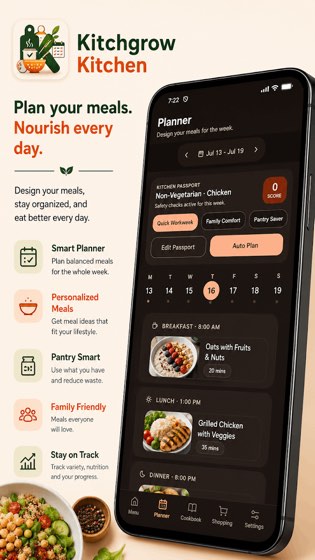
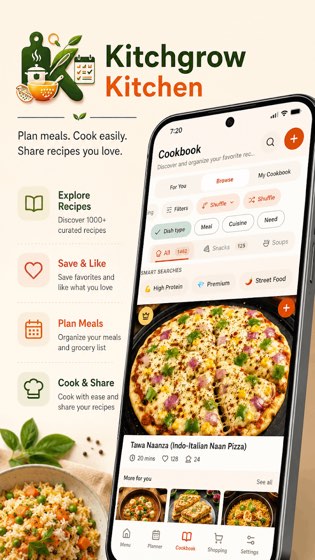
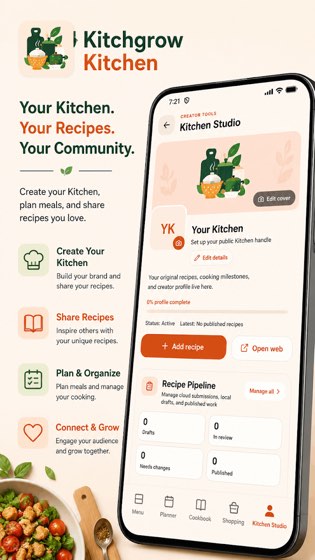
Meal planning, recipe discovery, grocery lists and pantry tracking.
Mobile app development
We do not only build apps for clients — we publish and run our own on Google Play. Your project gets the same release process, monitoring and aftercare we depend on ourselves.
Apps we run
Both apps below are published under Amalthea Labs, carry in-app purchases and advertising, and are supported release by release.
10K+ downloads
Meal planning, recipe discovery, grocery lists and pantry tracking.
1K+ downloads
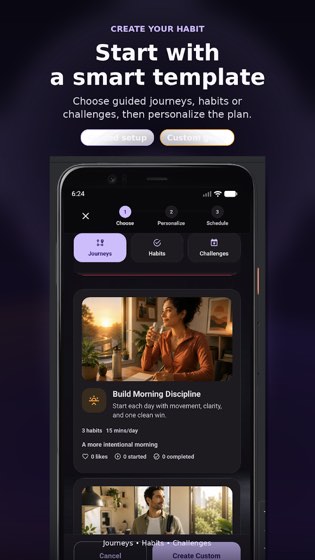
Habit tracking, guided routines, reminders and progress insights.
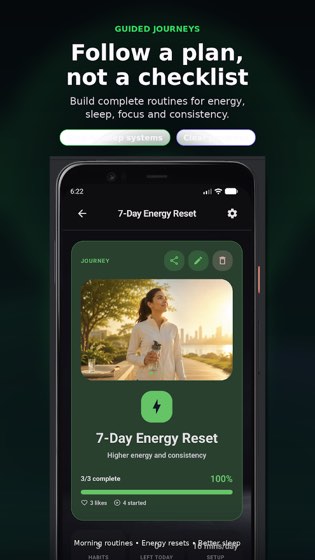
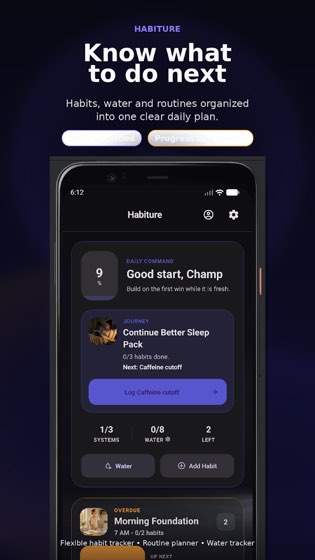
Building the screens is the visible part. Most of the risk sits in releases, store policy and the things that only surface once real users are on it.
We work out what the app actually needs to do, which platforms matter, and what has to exist before launch versus after it.
Screens, data model and integrations are built together, so accounts, sync, payments and analytics are designed in rather than bolted on.
Play Console setup, listing assets, content rating, data safety declarations and a staged rollout to catch problems before everyone sees them.
Crash monitoring, OS and policy updates, and a regular release cadence — the part most app projects underestimate.
Both. Amalthea Labs publishes and operates its own apps on Google Play. Kitchgrow is a meal planning and recipe platform with over 10,000 downloads, and Habiture is a habit tracking app with over 1,000 downloads. We handle their store listings, releases, support and monetisation ourselves, so client projects run on the same process we use on our own products.
Our published apps run on Android via Google Play, alongside web applications. We build with a cross-platform stack, so an iOS release can be planned as part of the project scope. Tell us which platforms matter for your users and we will confirm what is realistic before any work starts.
Yes. That includes the developer account setup, store listing copy and graphics, content rating and data safety declarations, staged rollouts, and the release updates that follow. We do this continuously for our own apps, which is where most first-time publishers lose time.
Yes. Both of our published apps carry in-app purchases and advertising, so subscription billing, one-off purchases, entitlement handling and ad placement are things we have shipped and maintain in production rather than only read about.
Apps need ongoing work in a way websites do not: operating system updates, Play policy changes, crash fixes and store requirement changes all arrive on someone else's schedule. We agree a support arrangement as part of the project so releases, monitoring and fixes continue after launch.
App projects are quoted after a scope conversation rather than sold as a fixed package, because cost depends on the number of screens, whether accounts and sync are needed, which integrations are involved, and whether payments or ads are in scope. Website packages have published prices; app work does not, because the range is genuinely too wide to anchor honestly.
Tell us what the app needs to do, who it is for, and which platforms matter. We will come back with a realistic scope, a plan and a number.